
HP ZBook G1A vs G1i: Which Workstation Laptop Should You Choose?
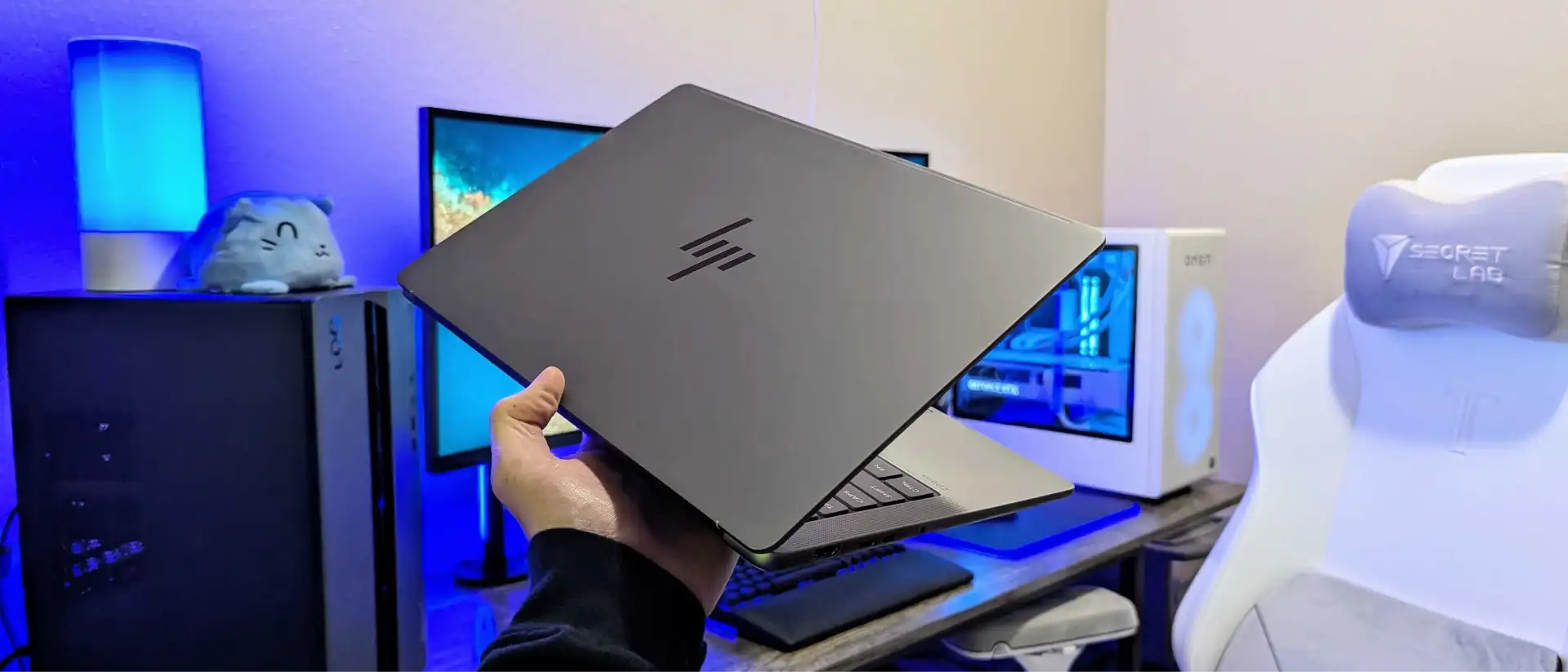
The HP ZBook G1A and G1i are both professional workstation laptops from HP, but they target different user types and performance needs. Understanding the key differences helps professionals choose the right model for their specific workflows.
HP ZBook G1A vs G1i: Key Differences
The G1A is positioned as a thinner, lighter workstation designed for professionals who need workstation-class performance without compromising portability. It uses AMD processors with integrated Radeon graphics. The G1i is the higher-performance workstation with Intel Core or Xeon processors paired with dedicated NVIDIA RTX professional graphics, providing ISV-certified GPU performance for demanding 3D, CAD and rendering workloads.
Performance Comparison
The G1A with AMD processors offers strong multi-core performance and good integrated graphics for lighter 3D and design work. The AMD RDNA integrated graphics are more capable than Intel integrated for viewport acceleration in CAD applications. The G1i with dedicated RTX professional graphics significantly outperforms the G1A for GPU-intensive tasks like 3D rendering, real-time ray tracing in design applications, and GPU-accelerated simulations. For heavy CAD, SolidWorks or Revit users, the G1i’s dedicated GPU makes a meaningful difference.
Portability and Design
The G1A focuses on thin-and-light workstation design, making it better suited to professionals who travel frequently or work in multiple locations. The G1i typically has a larger form factor to accommodate dedicated GPU cooling, making it less portable but more powerful. Both maintain HP’s premium workstation build quality with ISV certifications.
Who Should Choose Each?
Choose the HP ZBook G1A if you need workstation reliability in a lighter, more portable form, work primarily with 2D design, documentation, presentations and lighter 3D tasks, and prioritise portability over maximum GPU performance. Choose the HP ZBook G1i if your work involves heavy 3D modelling, CAD assembly files, real-time rendering, simulation or GPU-accelerated engineering tools that benefit from dedicated professional graphics.